Silicone-Based Fireproof Glue is Durable and Anti-Aging
Silicone-Based Fireproof Glue is Durable and Anti-Aging
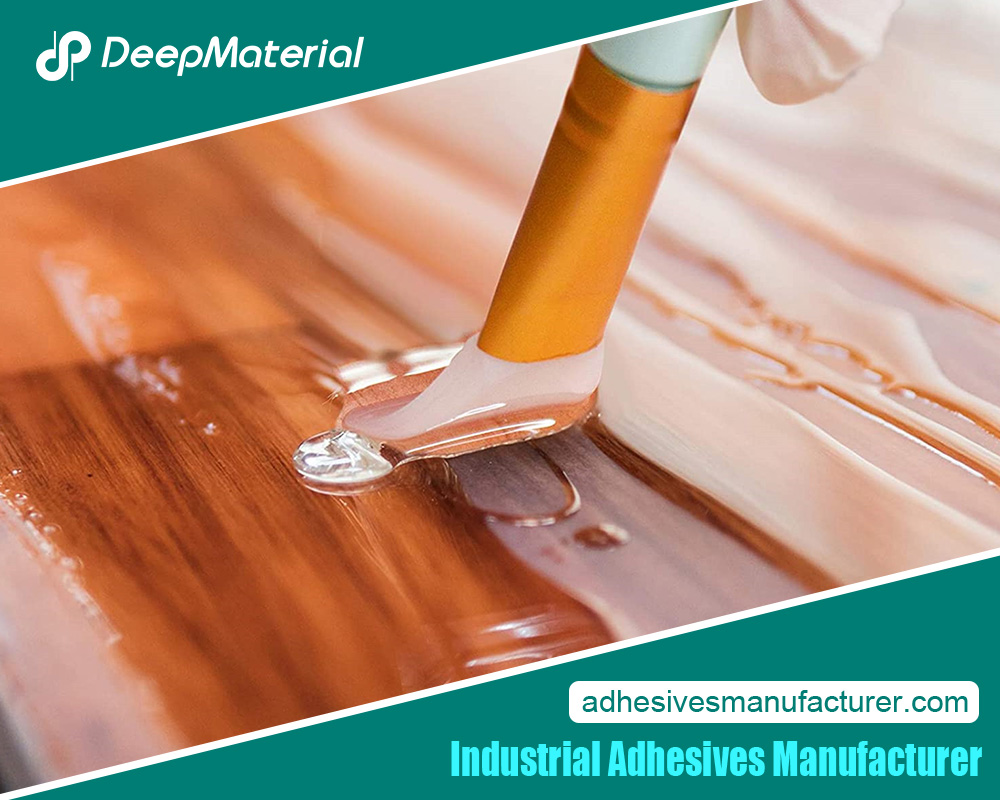
In an era where safety, longevity, and performance are paramount in materials engineering, silicone-based fireproof glue emerges as a standout innovation. This adhesive, often referred to as a fire-resistant silicone sealant or glue, combines the inherent flexibility of silicone polymers with advanced flame-retardant properties to create a product that not only bonds surfaces effectively but also withstands extreme conditions. Unlike traditional glues that may degrade under heat, moisture, or time, silicone-based fireproof glue is engineered for durability and anti-aging, making it indispensable in industries ranging from construction to aerospace.
The core appeal of this glue lies in its ability to maintain structural integrity in high-temperature environments, often up to 500°F (260°C) or more, without compromising adhesion. This fireproof quality is achieved through the incorporation of specialized additives that prevent combustion and limit flame spread, ensuring compliance with stringent safety standards. Moreover, its anti-aging characteristics—resistance to UV radiation, oxidation, and environmental weathering—allow it to retain elasticity and strength over decades, far outlasting conventional adhesives.
Consider the implications: in a world increasingly focused on fire safety amid rising incidents of wildfires, industrial accidents, and building fires, materials like this glue play a critical role in preventing catastrophes. For instance, in construction, it seals joints in fire-rated walls, reducing the risk of flame propagation. In everyday applications, it secures components in household appliances exposed to heat. But what truly sets it apart is its dual promise of durability and anti-aging. Durability ensures it holds firm under mechanical stress, vibration, and thermal cycling, while anti-aging means it doesn’t brittle, crack, or lose efficacy as years pass.
This article delves into the composition, properties, applications, benefits, and comparisons of silicone-based fireproof glue. By exploring these facets, we uncover why it’s not just an adhesive but a reliable guardian against the ravages of time and fire. As we navigate through the details, backed by scientific insights and real-world examples, it becomes clear that this glue represents a fusion of chemistry and practicality, poised to redefine standards in material bonding.
Understanding Silicone-Based Fireproof Glue: Composition and Manufacturing
At its heart, silicone-based fireproof glue is a polymer derived from silica, the abundant compound found in sand. The chemical backbone is a repeating chain of silicon-oxygen bonds, represented as [R₂SiO]ₙ, where R typically includes organic groups like methyl (CH₃). This structure imparts exceptional stability, as silicon-oxygen bonds are stronger and more resistant to breakdown than carbon-based alternatives in many adhesives.
To achieve fireproofing, manufacturers incorporate flame-retardant additives such as alumina trihydrate (ATH) or magnesium hydroxide. These compounds release water vapor when heated, cooling the surface and diluting flammable gases, thus suppressing combustion. Additional fillers like mica (5-30% by weight) enhance thermal resistance and provide a ceramic-like barrier in fire scenarios. Cross-linking agents facilitate curing, transforming the liquid or paste form into a solid, elastic bond.
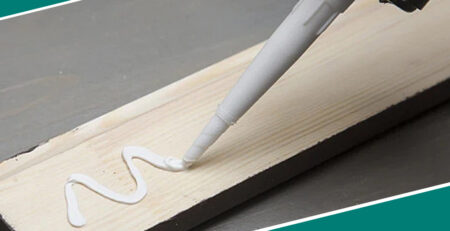
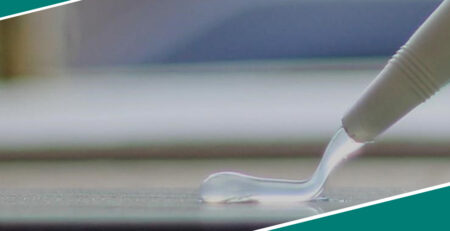
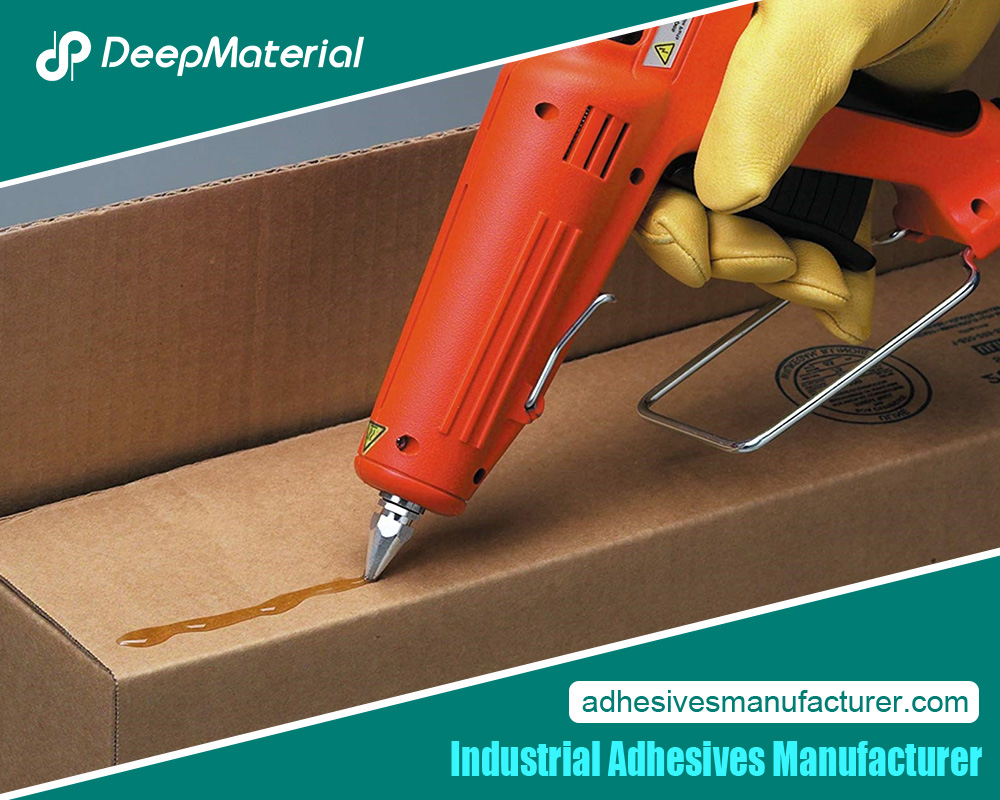
The manufacturing process begins with synthesizing the silicone polymer through hydrolysis and condensation of silanes. Raw materials are mixed in controlled environments to ensure uniformity, followed by the addition of catalysts for room-temperature vulcanization (RTV). Neutral-curing variants, which release alcoholic vapors rather than acetic acid, are preferred for their non-corrosive nature and broader substrate compatibility. The mixture is then packaged in cartridges or tubes, ready for application.
One key variant is intumescent silicone, which expands when exposed to heat, forming an insulating char that protects underlying materials.
This is particularly useful in fire-rated assemblies. The glue’s versatility stems from its formulations: one-part systems cure via atmospheric moisture, while two-part versions mix a base with a curing agent for faster setting.
This is particularly useful in fire-rated assemblies. The glue’s versatility stems from its formulations: one-part systems cure via atmospheric moisture, while two-part versions mix a base with a curing agent for faster setting.
In terms of fire resistance, standards like UL 94 V-0 or FV-0 ratings ensure the glue self-extinguishes and doesn’t drip when ignited. This composition not only bolsters fireproofing but also contributes to the glue’s overall robustness, setting the stage for its renowned durability and anti-aging traits.
Key Properties: Durability and Anti-Aging Explained
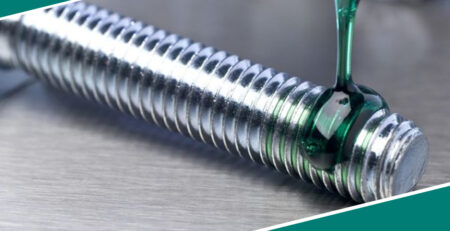
Durability in silicone-based fireproof glue is multifaceted, encompassing mechanical strength, environmental resistance, and long-term performance. Its elastic nature allows it to absorb movements up to 25% without cracking, ideal for dynamic applications like building expansions or vibrations in machinery. Chemically, the silicone matrix resists degradation from oils, solvents, and acids, maintaining adhesion on diverse substrates including metals, glass, plastics, and ceramics.
High-temperature resilience is a hallmark: it remains stable from -50°C to over 260°C, neither brittling in cold nor softening in heat. Studies show that under accelerated aging—simulating years of exposure to heat and humidity—silicone adhesives exhibit minimal adhesion loss, with some formulations building stronger bonds over time on aluminum surfaces.
Anti-aging properties are equally impressive. UV resistance prevents photodegradation, a common failure mode in organic adhesives. The inorganic silicon-oxygen backbone inherently combats oxidation, ensuring the glue doesn’t yellow, crack, or lose flexibility. In weathering tests, silicone coatings on steel retain fire protection efficacy despite prolonged exposure to UV and moisture.
Low flammability and toxicity further enhance its profile; it doesn’t emit harmful gases in fires, aligning with green building codes. Wetting capability allows deep penetration into porous surfaces, fostering robust bonds that age gracefully. Research on plywood applications demonstrates how silicone forms protective layers that suppress smoldering, extending material lifespan.
Quantitatively, silicone adhesives can last 10-20 years, outpacing many alternatives. Factors like proper surface preparation—cleaning and priming—amplify this longevity. In essence, the glue’s molecular stability translates to real-world reliability, making it a prime choice for demanding environments.
Applications Across Industries
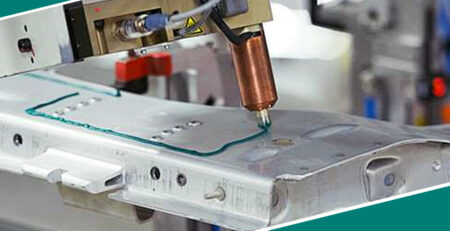
The versatility of silicone-based fireproof glue shines in its wide-ranging applications. In construction, it’s used for sealing fire-resistant joints in walls, doors, and curtain systems, enhancing building integrity during fires. It bonds insulation materials and seals gaps around pipes, preventing smoke and flame penetration.
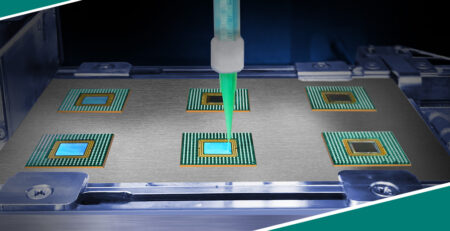
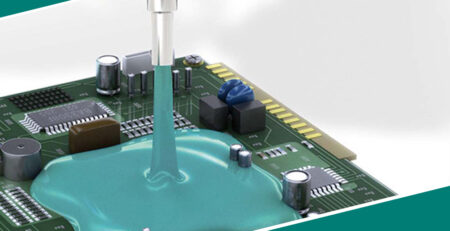
In the automotive sector, it secures engine gaskets and sensors, withstanding heat from exhaust systems. Electrical applications benefit from its dielectric properties, coating cables and penetrations for fire safety. In electronics, it potts components, protecting against thermal shocks.
Aerospace leverages its lightweight and high-heat tolerance for bonding panels and seals. Renewable energy sees it in solar panels, where UV and weather resistance ensure long-term adhesion. For plywood and textiles, it imparts flame retardancy, replacing less durable polyurethane adhesives. Household uses include oven repairs, aquarium sealing, and bathroom caulking, where waterproofing prevents mold.
In fire suppression, intumescent variants expand to block fire paths. Overall, its adaptability underscores its value in safety-critical scenarios.
Advantages, Drawbacks, and Comparisons
Advantages abound: superior heat resistance, flexibility, and eco-friendliness (low VOCs) make it ideal for sustainable projects. It bonds diverse materials without primers in many cases.
Drawbacks include higher costs and longer curing times (hours to days), plus limited color options. Flame retardants may slightly reduce some properties like UV stability.
Compared to epoxies, silicone is more flexible but less rigid; epoxies offer higher strength for static loads but crack under movement. Urethanes are durable but lack silicone’s heat tolerance. Acrylics provide good mid-range adhesion but falter at extremes. Cyanoacrylates (super glues) handle up to 482°F but are brittle.
Conclusion
Silicone-based fireproof glue exemplifies durability and anti-aging, offering a resilient solution for modern challenges. Its properties ensure it remains a cornerstone in safety and innovation, with future advancements promising even greater efficacy. As industries evolve, this adhesive will undoubtedly play a pivotal role in building a safer, more enduring world.
For more about silicone-based fireproof glue is durable and anti-aging, you can pay a visit to Deepmaterial at https://www.adhesivesmanufacturer.com/ for more info.