Fire-Rated Sealant for Gaps
Fire-Rated Sealant for Gaps
In environments where fire safety is paramount, every detail matters, including the sealing of gaps that could allow flames, smoke, or heat to spread. Fire-rated sealants for gaps are specialized materials designed to fill and seal joints, seams, and openings, providing a robust barrier against fire propagation while maintaining structural integrity under extreme heat. These sealants are critical in industries like automotive, construction, aerospace, and marine, where gaps in assemblies or structures pose fire risks that could compromise safety and performance.
In the automotive sector, fire-rated sealants play a vital role in sealing gaps in engine compartments, battery enclosures, and interior assemblies, ensuring compliance with stringent safety standards and protecting passengers from fire hazards. This article provides an in-depth exploration of fire-rated sealants for gaps, covering their definition, types, properties, applications (with a strong focus on automotive), challenges, and emerging trends. By understanding their role, we gain insight into how these essential materials safeguard lives and assets in high-risk environments.
 What Are Fire-Rated Sealants for Gaps?
Fire-rated sealants for gaps are specialized sealing compounds formulated to resist ignition, prevent flame spread, and maintain sealing integrity when exposed to high temperatures, typically ranging from 200°C (392°F) to over 1000°C (1832°F). These sealants are applied to fill gaps, joints, seams, and penetrations in structures or assemblies, creating a fire-resistant barrier that blocks the passage of flames, smoke, and toxic gases. Unlike standard sealants, fire-rated sealants are engineered with flame-retardant additives, intumescent properties, or non-combustible materials to meet rigorous fire safety standards, such as UL 1479, ASTM E814, or FMVSS 302 (Federal Motor Vehicle Safety Standard) for automotive applications.
Key Characteristics
- Fire Resistance: Prevents flame spread and maintains integrity during fire exposure, often rated for 1–4 hours of protection.
- Intumescence: Many sealants expand when heated, sealing gaps more effectively under fire conditions.
- Thermal Stability: Retains sealing properties at high temperatures.
- Smoke and Gas Barrier: Minimizes smoke and toxic fume leakage, critical for safety.
- Flexibility: Accommodates movement, vibration, and thermal expansion in gaps.
- Durability: Resists environmental stressors like moisture, chemicals, and UV exposure.
Importance in Industry
Fire-rated sealants for gaps are indispensable in safety-critical applications. In the automotive industry, they ensure that gaps in metal assemblies, battery packs, or interior components do not become pathways for fire spread, protecting passengers and complying with regulations. Beyond automotive, these sealants safeguard buildings, aircraft, and ships by sealing gaps in fire-rated walls, floors, and compartments. By preventing fire propagation and maintaining compartmentalization, they save lives, reduce property damage, and enable innovative designs in high-risk environments.
Types of Fire-Rated Sealants for Gaps
Fire-rated sealants for gaps come in various formulations, each tailored to specific applications, substrates, and fire resistance requirements. The main types include:
- Silicone-Based Sealants
Silicone fire-rated sealants are flexible, heat-resistant, and non-flammable, withstanding temperatures up to 300°C (572°F) continuously and higher during fire exposure. They are used in automotive engine compartments and battery enclosures, offering excellent adhesion to metals and resistance to oils and fuels.
- Intumescent Acrylic Sealants
Intumescent acrylic sealants are water-based and expand significantly when exposed to heat, sealing gaps tightly. They are used in automotive interiors and construction, with fire resistance up to 4 hours and temperatures around 200–250°C (392–482°F).
- Polyurethane Sealants
Fire-rated polyurethane sealants, often formulated with flame retardants, provide strong adhesion and flexibility for sealing gaps in automotive body panels and construction joints. They resist ignition up to 200°C (392°F) and are ideal for dynamic gaps subject to movement.
- Inorganic Sealants
Inorganic sealants, such as silicate or ceramic-based compounds, are non-combustible and can endure temperatures exceeding 1000°C (1832°F). They are used in automotive exhaust systems and industrial applications, offering superior fire resistance for metal gaps.
- Hybrid Sealants
Hybrid sealants combine silicone, acrylic, or polyurethane properties with intumescent additives, balancing flexibility, fire resistance, and adhesion. They are emerging in automotive applications for sealing complex assemblies.
- Materials and Additives
- Base Materials: Silicones, acrylics, polyurethanes, or inorganic silicates.
- Flame Retardants: Phosphorus, nitrogen, or mineral-based additives (e.g., aluminum hydroxide).
- Intumescent Agents: Graphite or ammonium phosphate to promote expansion under heat.
- Fillers: Silica, alumina, or ceramic particles to enhance thermal stability.
Properties of Fire-Rated Sealants for Gaps
The performance of fire-rated sealants depends on several key properties:
- Fire Resistance
Sealants must meet fire safety standards, such as UL 1479 (through-penetration firestop systems) or FMVSS 302 (automotive interiors), ensuring no flame spread and structural integrity during fire exposure.
- Intumescence
Intumescent sealants expand up to 10–20 times their original volume when heated, sealing gaps and preventing fire and smoke passage.
- Thermal Stability
Maintaining sealing integrity at high temperatures is critical, with formulations tailored for moderate (interiors) to extreme (exhaust systems) conditions.
Flexibility and Movement Accommodation
Sealants must accommodate thermal expansion, vibration, and joint movement, preventing cracks or bond failure in dynamic environments like vehicles.
- Smoke and Gas Sealing
Minimizing smoke and toxic fume leakage is vital for passenger safety in vehicles and occupant safety in buildings.
- Environmental Resistance
Sealants must resist:
- Chemicals: Fuels, oils, and coolants in automotive applications.
- Moisture: Rain or humidity in exterior gaps.
- UV Exposure: For sealants in visible areas.
Applications in the Automotive Industry
Fire-rated sealants for gaps are critical in automotive applications, where metal assemblies, lightweight materials, and electrification introduce fire risks.
- Engine Compartment
Engines generate high heat and exposure to flammable fluids:
- Sealing Joints: Silicone sealants fill gaps in metal valve covers and oil pans, resisting heat up to 300°C and preventing fire spread.
- Cable Penetrations: Intumescent acrylic sealants seal gaps around wiring harnesses, blocking fire paths.
- Component Sealing: Inorganic sealants seal metal sensor housings, enduring extreme temperatures.
- Exhaust Systems
Exhaust systems face intense heat and fire risks:
- Heat Shields: Inorganic silicate sealants fill gaps in metal heat shields, withstanding temperatures up to 1000°C.
- Pipe Joints: Silicone sealants seal exhaust pipe connections, preventing flame leakage.
- Electric Vehicles (EVs)
EVs introduce unique fire risks due to battery packs and high-voltage systems:
- Battery Enclosures: Silicone and hybrid sealants seal gaps in metal battery housings, preventing thermal runaway and fire spread.
- Power Electronics: Intumescent acrylic sealants fill gaps in metal inverters, ensuring fire resistance.
- Charging Ports: Polyurethane sealants seal gaps in charging interfaces, resisting heat from rapid charging.
- Interior Components
Automotive interiors use lightweight materials prone to fire:
- Dashboard and Door Panels: Intumescent acrylic sealants fill gaps in metal and plastic assemblies, meeting FMVSS 302.
- Floor Penetrations: Polyurethane sealants seal gaps around wiring, preventing smoke and fire spread.
- Structural Bonding
Fire-rated sealants enhance structural safety:
- Body Panels: Polyurethane sealants fill gaps in metal panels, reducing weight and ensuring fire resistance.
- Firewall Sealing: Silicone sealants seal gaps in metal firewalls, maintaining compartmentalization during fires.
- Specific Examples
- Tesla Model Y: Uses fire-rated silicone sealants to fill gaps in battery enclosures, enhancing fire safety.
- Ford Mustang Mach-E: Employs intumescent acrylic sealants in interior gaps, complying with FMVSS 302.
- Formula E: Inorganic sealants fill gaps in metal exhaust components, ensuring fire resistance in high-performance EVs.
Design Considerations
Developing fire-rated sealants for gaps in automotive applications involves addressing several critical factors:
- Fire Safety Compliance
Sealants must meet standards like UL 1479, FMVSS 302, or ISO 3795, ensuring no flame spread and low burn rates.
- Temperature Range
Sealants must maintain performance at operating temperatures, from moderate (interiors) to extreme (exhaust systems).
- Substrate Compatibility
Sealants must adhere to metals, plastics, and composites with varying thermal expansion coefficients, preventing failure under heat or vibration.
- Application Method
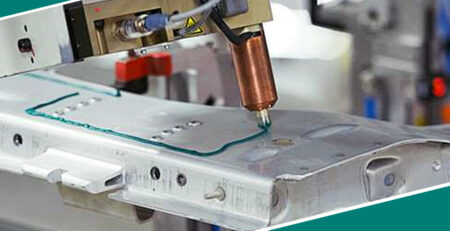
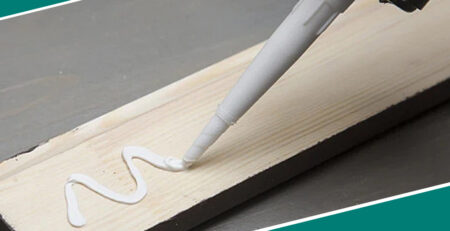
Ease of application—via caulking guns, spraying, or pre-formed strips—impacts manufacturing efficiency. Cure time and conditions (room temperature or heat) must align with assembly processes.
- Environmental Resistance
Sealants must resist:
- Chemicals: Fuels, oils, and coolants.
- Moisture: Rain or humidity in exterior applications.
- Corrosion: Prevents degradation of metal substrates.
- Testing and Validation
Sealants undergo rigorous testing:
- Fire Tests: To verify compliance with fire safety standards.
- Thermal Cycling: To simulate temperature fluctuations.
- Movement Tests: To ensure flexibility in dynamic gaps.
Challenges in Fire-Rated Sealant Development
Developing fire-rated sealants for gaps presents several challenges:
- Balancing Fire Resistance and Flexibility
Intumescent additives can reduce sealant flexibility, risking cracks in dynamic gaps. Formulating sealants that expand effectively while remaining elastic is critical.
- Cost Pressures
High-performance sealants (e.g., silicones, inorganics) are expensive. Automakers demand cost-effective solutions, requiring optimized formulations and manufacturing processes.
- Environmental Impact
Some flame retardants are toxic or non-recyclable, conflicting with sustainability goals. Developing eco-friendly alternatives is a priority.
- Processing Complexity
Intumescent sealants may require precise application to ensure proper expansion, while heat-cured sealants complicate manufacturing. Streamlined processes are needed for efficiency.
- Long-Term Durability
Sealants must maintain fire resistance and sealing integrity over a vehicle’s lifespan (10–15 years), resisting thermal aging and environmental degradation.
- Solutions and Innovations
- Halogen-Free Retardants: Phosphorus or mineral-based additives improve safety and sustainability.
- Nanotechnology: Nanoparticles enhance fire resistance and adhesion.
- Hybrid Formulations: Combine silicone and acrylic properties for versatility.
- Low-VOC Formulations: Reduce emissions during application.
Future Trends
The future of fire-rated sealants for gaps is shaped by automotive and industrial advancements:
- Electrification
EVs demand fire-safe sealants for battery enclosures and electronics, with higher thermal stability to prevent thermal runaway.
- Autonomous Vehicles
Self-driving cars rely on sealed electronics and sensors in high-heat zones. Fire-rated sealants will ensure reliability and safety.
- Lightweight Materials
The shift to composites and lightweight metals increases sealant use, with fire-rated formulations ensuring safety in gap sealing.
- Sustainable Sealants
Bio-based, recyclable, and low-VOC sealants will align with automotive sustainability goals, reducing environmental impact.
- Smart Sealants
Sealants with embedded sensors could monitor gap integrity or fire risk, enabling predictive maintenance in safety-critical applications.
- Advanced Fire Testing
New standards for EV fire safety will drive innovation in sealants with ultra-low flammability and smoke production.
- Case Studies and Real-World Impact
- Rivian R1T: Uses fire-rated silicone sealants to fill gaps in battery enclosures, enhancing EV fire safety.
- BMW iX: Employs intumescent acrylic sealants in interior gaps, meeting FMVSS 302.
- Construction Cross-Over: Automotive manufacturers adopt construction-grade inorganic sealants for exhaust systems, improving fire resistance.
 Conclusion
Fire-rated sealants for gaps are essential guardians of safety in the automotive industry and beyond. From sealing engine joints to protecting EV battery enclosures, they prevent fire spread, ensuring passenger safety and structural integrity. Designing these sealants requires balancing fire resistance, flexibility, and cost while addressing challenges like environmental impact and processing complexity. As vehicles embrace electrification, autonomy, and sustainability, fire-rated sealants will evolve, incorporating eco-friendly materials, smarter features, and enhanced fire safety.
Next time you drive a car or charge an EV, consider the fire-rated sealants silently sealing gaps to keep you safe. They’re small in scale, but their impact on safety and innovation is immense.
For more about the fire-rated sealant for gaps, you can pay a visit to Deepmaterial at https://www.adhesivesmanufacturer.com/ for more info.