Ceramic Adhesive High Temperature
Ceramic Adhesive High Temperature
In industries ranging from aerospace to automotive and even home repairs, the demand for materials that can withstand extreme conditions is ever-growing. High-temperature ceramic adhesives have emerged as a critical solution for bonding materials in environments where conventional adhesives fail. These specialized adhesives are engineered to endure temperatures exceeding 1,000°C (1,832°F), making them indispensable in applications like furnace linings, engine components, and high-performance electronics. Unlike standard adhesives, high-temperature ceramic adhesives offer exceptional thermal stability, chemical resistance, and mechanical strength, ensuring reliable performance under intense heat and stress. This article explores the science behind high-temperature ceramic adhesives, their types, key properties, applications, and practical considerations for their use. Whether you’re an engineer designing cutting-edge machinery or a hobbyist tackling a high-heat project, understanding these adhesives can elevate your work to new levels of durability and efficiency.
 What Are High-Temperature Ceramic Adhesives?
High-temperature ceramic adhesives are specialized bonding agents formulated to maintain structural integrity and adhesion in extreme thermal environments. Unlike organic adhesives, which degrade at relatively low temperatures (e.g., 150–200°C), ceramic adhesives are inorganic compounds designed to withstand temperatures ranging from 500°C to over 2,000°C. These adhesives are typically composed of ceramic powders (such as alumina, zirconia, or silica), binders, and additives that enhance their thermal and mechanical properties.
The primary function of these adhesives is to bond ceramic, metal, or composite materials in applications where heat resistance is paramount. They are widely used in industries like aerospace, automotive, power generation, and manufacturing, where components are exposed to intense heat, corrosive chemicals, or mechanical stress. Ceramic adhesives can be applied as pastes, coatings, or sealants, and they cure to form a hard, durable bond that mimics the properties of ceramics themselves—high hardness, low thermal expansion, and excellent resistance to wear and corrosion.
What sets high-temperature ceramic adhesives apart is their ability to maintain adhesion and structural stability under thermal cycling, where materials undergo repeated heating and cooling. This makes them ideal for environments like kilns, exhaust systems, and turbine engines, where temperature fluctuations are common.
Key Properties of High-Temperature Ceramic Adhesives
The effectiveness of high-temperature ceramic adhesives lies in their unique properties, which are tailored to meet the demands of extreme environments. Here are the key characteristics:
- Thermal Resistance: The defining feature of these adhesives is their ability to withstand extreme temperatures. Depending on the formulation, some adhesives can endure continuous exposure to temperatures as high as 2,000°C or more without losing their bonding strength. For example, alumina-based adhesives are known for their stability at temperatures exceeding 1,650°C.
- Chemical Stability: Ceramic adhesives are highly resistant to chemical attack, making them suitable for environments exposed to acids, alkalis, or corrosive gases. This property is critical in industries like chemical processing, where components must resist degradation from harsh substances.
- Low Thermal Expansion: Ceramics have a low coefficient of thermal expansion, meaning they do not expand or contract significantly with temperature changes. This minimizes stress at the bond line, preventing cracking or delamination during thermal cycling.
- Mechanical Strength: Once cured, ceramic adhesives form a rigid, high-strength bond capable of withstanding mechanical stresses such as vibration or shear forces. This makes them suitable for structural applications in high-stress environments.
- Electrical Insulation: Many ceramic adhesives are excellent electrical insulators, making them ideal for applications in electronics or power generation, where preventing electrical conductivity is crucial.
- Versatility in Bonding: These adhesives can bond a wide range of substrates, including ceramics, metals, glass, and composites. This versatility allows them to be used in diverse applications, from repairing cracked ceramic tiles to assembling components in jet engines.
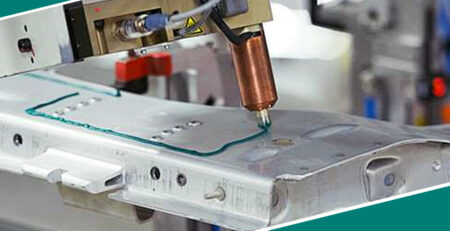
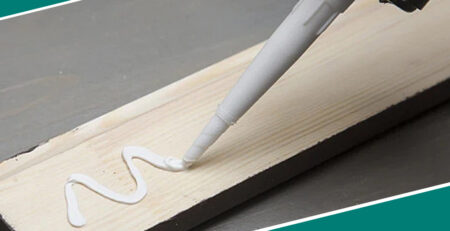
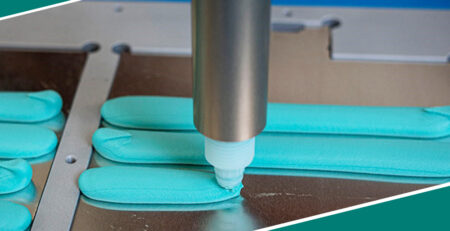
- Ease of Application: Available in various forms (e.g., pastes, liquids, or powders), ceramic adhesives can be applied using brushes, spatulas, or dispensing systems, catering to both industrial and DIY needs.
These properties make high-temperature ceramic adhesives a go-to solution for applications requiring durability and performance under extreme conditions.
Types of High-Temperature Ceramic Adhesives
High-temperature ceramic adhesives come in several formulations, each designed for specific applications and temperature ranges. The main types include:
- Alumina-Based Adhesives: These are among the most common high-temperature ceramic adhesives, offering excellent thermal resistance (up to 1,650°C) and mechanical strength. They are widely used in furnace linings, thermocouple bonding, and aerospace components.
- Zirconia-Based Adhesives: Zirconia-based adhesives are formulated for ultra-high-temperature applications, often exceeding 2,000°C. They are ideal for bonding advanced ceramics in industries like aerospace and defense, where extreme heat resistance is critical.
- Silica-Based Adhesives: These adhesives are known for their excellent electrical insulation and resistance to thermal shock. They are commonly used in electronics, such as sealing sensors or bonding components in high-temperature circuits.
- Phosphate-Bonded Adhesives: These use phosphate compounds as binders, offering good adhesion at moderate temperatures (up to 1,000°C). They are often used in refractory applications and are valued for their ease of application and cost-effectiveness.
- Silicate-Based Adhesives: Sodium or potassium silicate-based adhesives are used in applications requiring resistance to temperatures up to 1,200°C. They are often employed in sealing and coating applications, such as in kilns or fireplaces.
- Hybrid Adhesives: Some adhesives combine ceramic and metallic fillers to enhance specific properties, such as thermal conductivity or adhesion to metal substrates. These are used in applications like heat exchangers or exhaust systems.
Each type of adhesive is formulated to balance factors like temperature resistance, curing time, and substrate compatibility. Selecting the right adhesive depends on the specific requirements of the application, including the operating temperature, environmental conditions, and materials being bonded.
Applications of High-Temperature Ceramic Adhesives
High-temperature ceramic adhesives are used across a wide range of industries due to their ability to perform in extreme conditions. Below are some of their most common applications:
- Aerospace and Defense: In aerospace, ceramic adhesives are used to bond components in jet engines, turbine blades, and heat shields. These components must withstand temperatures exceeding 1,500°C while maintaining structural integrity. For example, adhesives are used to secure ceramic matrix composites (CMCs) in engine parts, improving fuel efficiency and performance.
- Automotive Industry: High-temperature adhesives are critical in automotive applications, particularly in exhaust systems, catalytic converters, and engine components. They are used to bond sensors, gaskets, and heat shields, ensuring durability under high heat and vibration.
- Industrial Furnaces and Kilns: In industries like ceramics, glass, and metal processing, high-temperature adhesives are used to repair and bond refractory linings in furnaces and kilns. They help maintain structural integrity and prevent heat loss, improving energy efficiency.
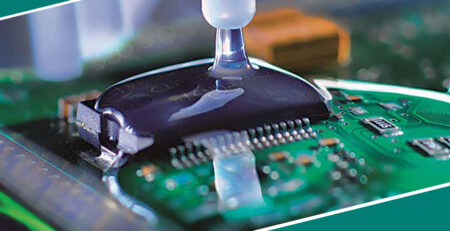
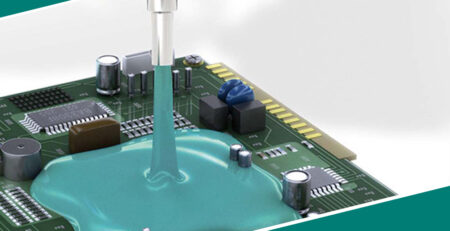
- Electronics and Semiconductors: Ceramic adhesives are used to encapsulate sensors, bond components in high-temperature circuits, and insulate electrical systems. Their non-conductive nature and thermal stability make them ideal for protecting sensitive electronics in harsh environments.
- Power Generation: In power plants, particularly those using gas or steam turbines, ceramic adhesives are used to bond and seal components exposed to high temperatures and corrosive gases. They are also used in solar thermal systems and nuclear reactors.
- DIY and Home Repairs: For hobbyists and homeowners, high-temperature ceramic adhesives are used to repair fireplaces, ovens, and ceramic cookware. These adhesives provide a durable, heat-resistant solution for fixing cracked tiles or sealing gaps in high-heat appliances.
- Medical and Dental Applications: In specialized applications, ceramic adhesives are used to bond dental ceramics or medical implants, where biocompatibility and resistance to sterilization temperatures are essential.
These diverse applications highlight the versatility of high-temperature ceramic adhesives, making them a cornerstone of modern engineering and manufacturing.
Considerations for Using High-Temperature Ceramic Adhesives
While high-temperature ceramic adhesives offer remarkable performance, their successful application requires careful consideration of several factors:
- Surface Preparation: Proper surface preparation is critical for achieving strong adhesion. Surfaces must be clean, dry, and free of contaminants like grease or dust. Abrading or etching the surface may be necessary to enhance bonding.
- Curing Conditions: Many ceramic adhesives require specific curing conditions, such as air drying, heat curing, or a combination of both. Some adhesives cure at room temperature, while others require exposure to elevated temperatures to achieve full strength.
- Temperature Limits: Always select an adhesive rated for the maximum temperature of the application. Exceeding the adhesive’s temperature limit can lead to bond failure or degradation.
- Substrate Compatibility: Ensure the adhesive is compatible with the materials being bonded. For example, some adhesives may not adhere well to certain metals or low-surface-energy ceramics without a primer.
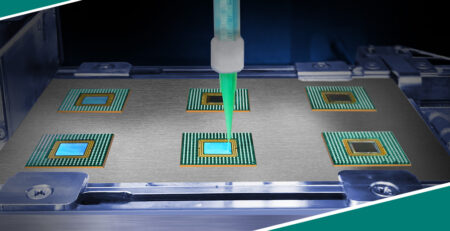
- Application Method: Choose the appropriate form of adhesive (e.g., paste, liquid, or powder) based on the application method and the complexity of the bond line. Precision dispensing may be required for intricate assemblies.
- Safety Precautions: High-temperature ceramic adhesives may release fumes during curing, especially at elevated temperatures. Always work in a well-ventilated area and follow manufacturer safety guidelines.
By addressing these considerations, users can maximize the performance and longevity of their adhesive bonds.
Advantages and Limitations
Advantages:
- Extreme Heat Resistance: Capable of withstanding temperatures far beyond the capabilities of organic adhesives.
- Durability: Resistant to thermal shock, chemical corrosion, and mechanical stress.
- Versatility: Bonds a wide range of substrates, from ceramics to metals.
- Electrical Insulation: Ideal for electronics and high-voltage applications.
Limitations:
- Brittleness: Cured ceramic adhesives can be brittle, making them unsuitable for applications requiring flexibility.
- Curing Time: Some adhesives require extended curing times or high-temperature curing, which may not be practical for all applications.
- Cost: High-performance ceramic adhesives can be expensive, particularly for specialized formulations like zirconia-based adhesives.
- Application Complexity: Achieving optimal results often requires precise surface preparation and curing conditions.
Future Trends in High-Temperature Ceramic Adhesives
The field of high-temperature ceramic adhesives is evolving rapidly, driven by advancements in materials science and increasing demand for high-performance solutions. Emerging trends include:
- Nanotechnology: Incorporating nanoparticles into adhesive formulations to enhance thermal conductivity, strength, and flexibility.
- Eco-Friendly Formulations: Developing adhesives with lower environmental impact, such as water-based or low-VOC options.
- Smart Adhesives: Research into adhesives that can self-monitor or adapt to changing thermal conditions, improving reliability in critical applications.
- Additive Manufacturing: The use of ceramic adhesives in 3D printing and additive manufacturing to create complex, heat-resistant components.
These innovations promise to expand the capabilities and applications of high-temperature ceramic adhesives, making them even more integral to cutting-edge industries.
Conclusion
High-temperature ceramic adhesives are a vital tool for industries and individuals working in extreme environments. Their ability to withstand intense heat, resist chemical attack, and maintain strong bonds makes them indispensable in aerospace, automotive, electronics, and beyond. By understanding their properties, types, and applications, users can select the right adhesive for their needs, ensuring durability and performance. As technology advances, these adhesives will continue to play a pivotal role in enabling innovative solutions for high-heat challenges. Whether in a factory or a home workshop, high-temperature ceramic adhesives are shaping the future of reliable bonding.
For more about a complete guide to the ceramic adhesive high temperature, you can pay a visit to Deepmaterial at https://www.adhesivesmanufacturer.com/ for more info.